FedRAMP High Authorization requires stringent security controls, including IAL3 verification. Unfortunately, this requirement creates logistical issues for distributed teams; flying employees across the country to participate in 15-minute verification sessions is costly and time consuming.
IAL3 provides higher levels of assurance, mitigating impersonation attacks and providing RPs with access authorization features they require for authorization. Furthermore, credential storage such as YubiKey can be securely linked to proven identities to prevent stand-in fraud.
NIST IAL3 verification
NIST’s Identity Assurance Levels (IAL) provide organizations with a framework to verify whether someone attempting to access a service is indeed who they claim they are. IAL3 verification offers the highest level of assurance available and requires in-person or remote supervision and comparison of biometrics against official documents on trusted hardware, as well as facial binding technology to protect against spoofing and presentation attacks, facial binding technology for protection against spoofing attacks, as well as an ID data repository for protection from SIM swapping attempts or MFA bypass attempts.
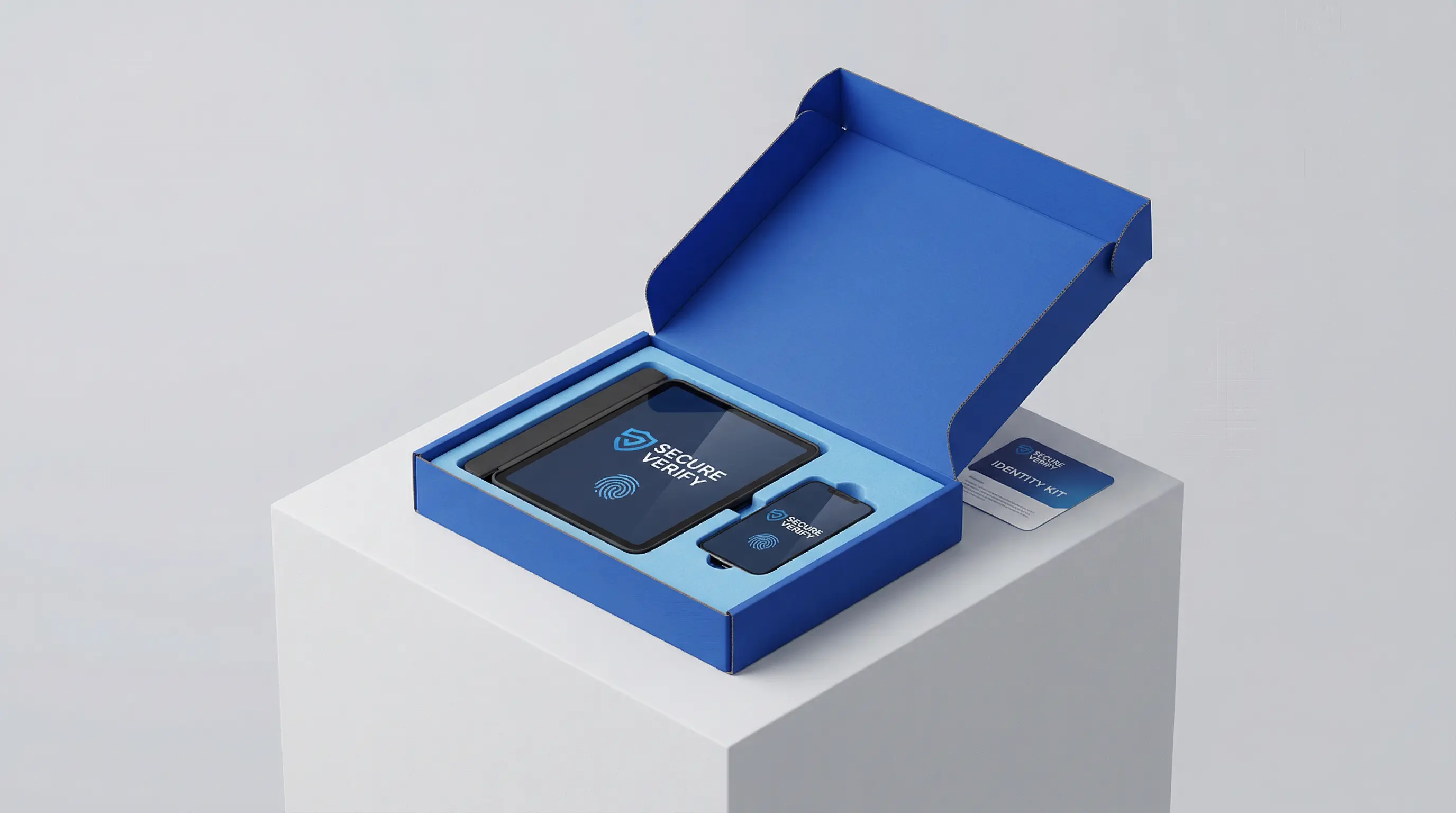
TrustSwiftly NIST IAL3 verification solution is hardware-based and remotely supervised – an advantage over traditional in-person proofing which can be costly, slow and non-scalable for remote workers. Using its patented, federated authentication process binds tokens with identities for audit trail purposes while protecting against high-risk attacks while eliminating risky password resets – offering CSPs seeking FedRAMP High authorization significant support while helping decrease their phishing risks by decommissioning email OTP and SMS based authentication methods.
Acquiring an IAL3 credential involves multiple steps of validation and verification, from collecting evidence to the resolution of any remaining ambiguities. Tiered verification methods apply proportionately with transaction sensitivity: an IAL3 credential might suffice for secure building access while additional checks might require higher levels of assurance – for instance benefits eligibility checks may require extra assurance levels than just one credential can offer.
Starting a proofing session requires using an onsite device or kiosk loaded with Trust Swiftly application, secured and locked down against any possible tampering attempts by CSPs and agents alike. A trusted agent can guide the person through each step while collecting and validating evidence.
NIST IAL3 identity proofing
At IAL1, self-asserted attributes may be self-verified, while at the highest assurance level IAL3 identity proofing or remote verification is performed with stringent oversight. This process aims to reduce fraud by demanding superior evidence and verifying whether digital identities matched actual real world identities, with biometric comparison also used to verify who the person presenting themselves actually was.
Verification methods such as these provide a direct defence against today’s advanced infiltration tactics, including deepfakes, AI impersonation and laptop farm fraud. Live sessions requiring supervision as well as matching biometrics with official documents on trusted hardware provide effective measures against infiltrators. Step-up reproofing by risk is also supported to minimize false positives and streamline user onboarding while cutting cyber liability insurance costs and operational cost savings from reduced password resets.
This enables more seamless onboarding for users while simultaneously cutting cyber liability insurance premiums and operational cost savings due to reduced password resets. TrustSwiftly can assist organizations with meeting NIST guidelines by increasing assurance levels and eliminating vulnerable, password-based authentication methods. Their FIDO Certified passwordless authentication and comprehensive identity verification solutions support compliance for both IAL2 and IAL3 levels of compliance.
NIST 800-63A IAL3
NIST 800-63A IAL3 identity verification provides the strongest possible assurance that a claimed identity corresponds to reality. For this level of verification to work properly, in-person attended identity proofing is required alongside rigorous evidence validation – something not achievable remotely. A trained CSP representative must also examine applicant identification documents and confirm physical presence at an IAL3 process site.
This version of NIST 800-63A IAL3 revises identity assurance levels to make processes phishing-resistant and protect them against more sophisticated attacks on enrollment processes. In addition, new requirements have been added for federated authentication as well as more options for authenticators such as multidimensional labels (mDLs), syncable passkeys and biometric alternatives are being introduced for use as authenticators.
Traditional in-person IAL3 proofing can be expensive and time-consuming; failing to scale for remote workers leads to security risks and compliance bottlenecks that create security vulnerabilities and compliance bottlenecks. TrustSwiftly’s hardware-based remote IAL3 compliant solution is fast, easy, and saves you money while protecting the most sensitive systems and protecting against targeted attacks while fulfilling FedRAMP compliance standards.
Leave a Reply